


-

Add: HeBei ShengShi HongBang Cellulose Technology CO.,LTD.
-

Email
13180486930@163.com -

CONTACT US
+86 13180486930
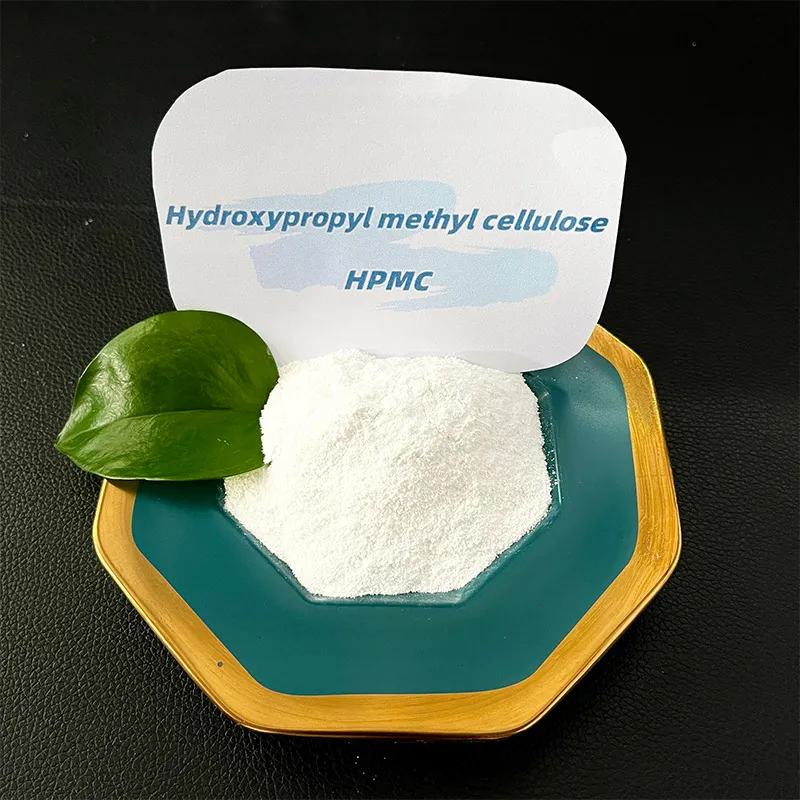





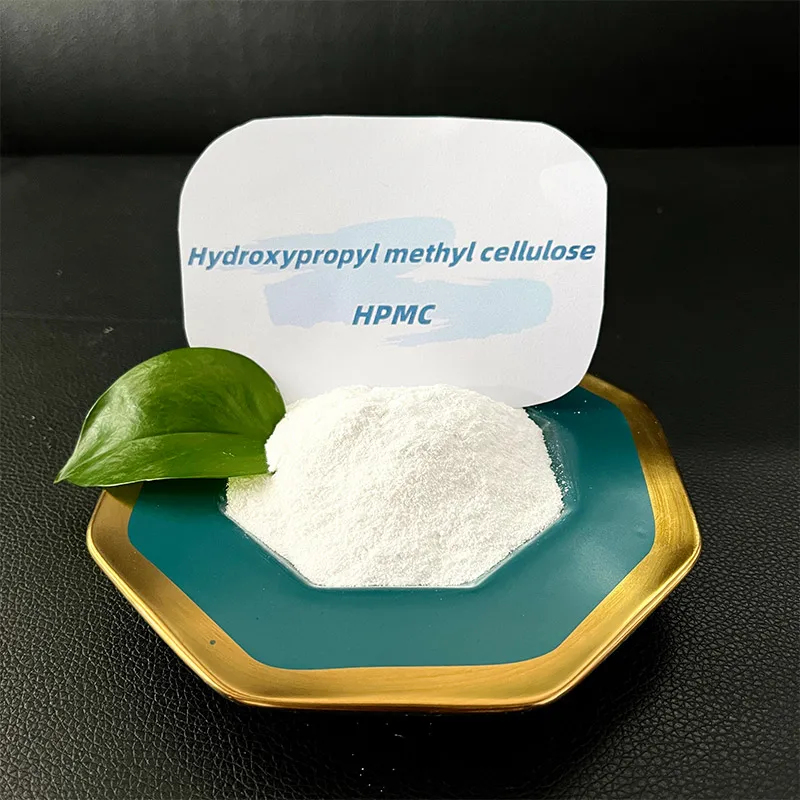
Hydroxypropyl Methylcellulose (HPMC) has seen a surge in demand across various industries, making the buying process an area of great interest. For those seeking to purchase HPMC, having a comprehensive understanding of the product, coupled with insights from industry professionals, is essential. An important characteristic of HPMC is its versatile applicability. With its non-toxic, tasteless, and odorless attributes, it is commonly used in pharmaceuticals, construction, food, and personal care products. In pharmaceuticals, HPMC acts as a binder and time-release agent, ensuring effective delivery of active ingredients. For construction, it enhances water retention and workability in products like cement and mortar, showcasing its pivotal role in the building sector. Purchasing HPMC demands expertise from industry insiders who emphasize the importance of quality . Experts recommend sourcing from certified manufacturers who adhere to international standards such as ISO and GMP. These certifications guarantee that the HPMC is manufactured under stringent quality control, ensuring product reliability and safety for end-users. Real-world experience highlights the importance of considering particle size and viscosity levels when buying HPMC. Different applications require specific viscosity ranges; for instance, higher viscosity HPMC is ideal for tile adhesives, whereas lower viscosity types might be better for pharmaceutical applications. Experienced professionals suggest requesting product samples to conduct application-specific tests before making bulk purchases. This not only ensures compatibility but also prevents potential product wastage. Authoritative voices in the industry emphasize the significance of understanding regional regulations. Product compliance can often vary depending on geographical location, affecting the import and usage of HPMC. Therefore, it is advisable to consult with regional experts and legal advisors to navigate through these regulatory frameworks effectively. hpmc buy Trustworthiness in the HPMC supply chain is another crucial factor. Buyers are advised to perform due diligence on suppliers. This includes reviewing company histories, customer testimonials, and case studies. Opting for suppliers with a proven track record, robust customer support and transparent business practices can significantly diminish risks associated with quality and delivery schedules. For ensuring seamless transactions, economic considerations play a pivotal role. Bulk purchasing can lead to significant cost reductions. However, financial experts suggest balancing purchase volume with inventory management to avoid overstocking, which could lead to increased holding costs. Developing a strategic purchasing plan with flexible terms can optimize financial outcomes while securing a steady supply of HPMC. Finally, leveraging technology can greatly aid in the HPMC procurement process. Utilizing supply chain management software can streamline operations, providing real-time updates on inventory levels, shipment tracking, and vendor communication. Such tools enhance efficiency, ensuring that the acquisition process aligns with business objectives. In conclusion, buying HPMC involves a blend of understanding its applications, ensuring quality through certified suppliers, adhering to regulations, establishing trust with vendors, managing economic factors wisely, and incorporating technological solutions. By focusing on these aspects, businesses can make informed decisions, optimizing the benefits of HPMC across their respective industries.
- 40000tons

Production
- 20+years

Experience
- 5000+㎡

Acreage

-

Understanding the solubility properties of hydroxypropyl methylcellulose (HPMC) E5 is crucial for industries ranging from pharmaceuticals to food production, offering both flexibility and functionality. As one delves into the characteristics of HPMC E5, it becomes evident why this ingredient is highly regarded for its solubility and versatile applications. Hydroxypropyl methylcellulose E5 is a type of cellulose derivative renowned for its excellent solubility in cold water and broad compatibility with various solvents. This feature makes HPMC E5 an indispensable ingredient in numerous formulations. From a practical standpoint, HPMC E5 exhibits a unique solubility profile that enhances its functional capabilities. Its solubility in water without the need for elevated temperatures simplifies the manufacturing process in several products, especially within the pharmaceutical sector. In tablet formulations, HPMC E5 not only functions as a binder but also serves as a viscosity enhancer in liquid systems. This dual capability is attributed to its ability to dissolve and form a gel-like consistency, which stabilizes the formulation and controls the release of active ingredients. Moreover, the expertise of incorporating HPMC E5 into products lies in its adaptable nature. Depending on the concentration and temperature, HPMC E5 can provide different viscosities, catering to specific industry needs. In the paint and coatings industry, for example, its solubility property ensures uniform consistency and prevents pigment separation, thereby enhancing product quality. Authoritative sources in the food industry often turn to HPMC E5 due to its film-forming and emulsifying properties, driven by its solubility. In gluten-free and reduced-fat products, HPMC E5 compensates for the lack of gluten or fat by improving texture and mouthfeel, thus enhancing the consumer experience. Its ability to swiftly dissolve ensures minimal processing time, which is fundamental when maintaining the nutritional quality of food products. hpmc e5 solubility Trustworthiness in utilizing HPMC E5 is established through rigorous testing and quality controls documented by manufacturers. As a GRAS (Generally Recognized As Safe) substance, it undergoes extensive assessment to ensure that its solubility and functional properties align with safety standards across various applications. Manufacturers provide detailed solubility data encompassing various temperature ranges and pH levels, empowering product developers to make informed decisions regarding its use. For individuals and businesses aiming to maximize the solubility benefits of HPMC E5, collaborating with suppliers who offer technical support is invaluable. These suppliers often provide insights derived from comprehensive research and development processes, ensuring HPMC E5 is utilized to its full potential. Their expertise can guide the creation of innovative products that harness the efficiency and reliability of HPMC E5’s solubility characteristics. Choosing HPMC E5 also implies a commitment to sustainability, as cellulose-based materials are increasingly favored for their biodegradable nature. In an era where environmental considerations play a pivotal role, incorporating biodegradable yet functional ingredients aligns with global sustainability efforts. Harnessing the potential of HPMC E5’s solubility does not end with existing applications . Ongoing research continues to unveil novel uses, particularly in emerging fields like biomedicine, where its solubility attributes could support the development of drug delivery systems. In conclusion, the solubility of hydroxypropyl methylcellulose E5 is not merely a chemical property but a gateway to a multitude of applications that enhance product stability, functionality, and user experience. Its reliability and adaptability continue to inspire new formulations, establishing it as a cornerstone in product innovation across diverse sectors.
-
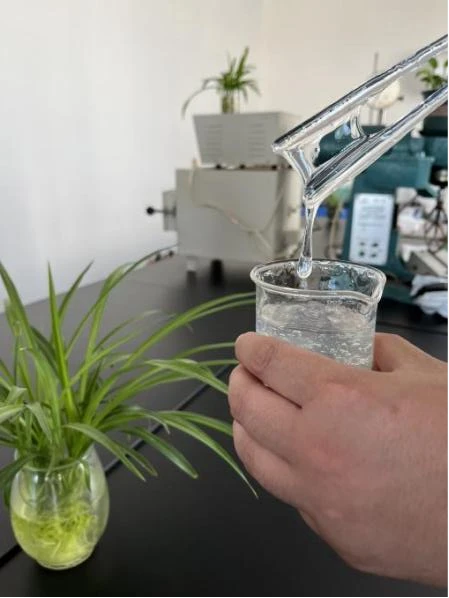
Hydroxypropyl Methylcellulose (HPMC) E5 is a versatile and essential ingredient in various industries, prized for its unique properties that enhance product formulation. As a low viscosity grade of HPMC, E5 offers a distinct set of characteristics highly valued by manufacturers. This article delves into the crucial attributes of HPMC E5, leveraging insights from industry experts and real-world applications to offer a comprehensive understanding of its benefits and usage. One of the standout features of HPMC E5 is its film-forming ability. This property is integral in the pharmaceutical industry, where HPMC E5 is commonly used as a coating agent for tablets. Its ability to form a uniform, adherent, and stable film ensures the protection of active ingredients, enhances shelf life, and improves the aesthetic appeal of tablets. The expertise of formulation scientists highlights that the use of HPMC E5 in coatings improves the swallowability and taste masking of oral dosage forms, making it a preferred choice among pharmaceutical developers. In the realm of construction, HPMC E5 serves as an essential additive in cement-based materials. Its water retention capability prevents premature drying and assures optimal curing, leading to increased strength and durability of the final product. Construction professionals underline that the inclusion of HPMC E5 in mortar formulations results in enhanced workability and open time. This facilitates easier application and adjustment of tiles or other construction components, minimizing waste and improving finish quality. The adhesive industry also benefits from the unique properties of HPMC E5 . The compound's thickening and rheology modification abilities enable the production of adhesives with superior stability and consistency. As experts in adhesive chemistry attest, HPMC E5 improves the bonding capacity and mechanical strength of adhesives, providing reliable performance across different substrates and environmental conditions. This versatility makes it an indispensable ingredient in formulating both household and industrial adhesives. hpmc e5 properties Personal care products, such as shampoos and creams, often incorporate HPMC E5 due to its excellent emulsification and stabilization properties. Cosmetologists and personal care formulators value HPMC E5 for its ability to maintain the integrity and homogeneity of creams and lotions. Its non-ionic nature ensures compatibility with various active ingredients, allowing for innovative formulations that cater to diverse consumer needs. Furthermore, HPMC E5’s gentle nature and lack of irritancy make it suitable for sensitive skin products, thus broadening its applicability in the cosmetics industry. From an expert perspective, the adaptability of HPMC E5 across different formulations and industries underscores its significance. Its non-ionic and cellulose-based nature ensures environmental compatibility and safe usage, aligning with the growing consumer demand for sustainable and eco-friendly products. Manufacturers leveraging HPMC E5 can assure their clientele of high-quality, reliable, and effective products, bolstering trust and authority in their respective markets. Trustworthiness in utilizing HPMC E5 is reinforced by thorough testing and compliance with regulatory standards, which are critical for product safety and efficacy. Collaboration with experienced formulation scientists and adherence to stringent quality control measures guarantees that products incorporating HPMC E5 deliver consistent and dependable performance. In conclusion, HPMC E5 stands out due to its unique properties that serve a wide array of applications, ranging from pharmaceuticals and construction to adhesives and personal care products. Its esteemed position is further corroborated by industry expertise and practical experience, which collectively affirm its role as a high-value ingredient. By integrating HPMC E5, manufacturers not only optimize product performance but also ensure an authoritative and trusted presence in their sectors.
advantages
-

200000 Viscosities
Excellent product
We can produce pure products up to 200,000 viscosities
-

40000 tons
High yield
We don’t stop production all year round, and the annual output can reach 40,000 tons
-

24 hours
Quality service
We provide 24-hours online reception service, welcome to consult at any time
———— Inquiry Form
Schedule A services

- crumb_rubber_powder
Oct . 25, 2025
Hemp polypropylene is rapidly gaining traction in the materials industry as an innovative and sustai - wood_pulp_cellulose
Oct . 25, 2025
Starch ether has rapidly become a vital additive in dry mortar technologies, especially for tile adh -
 hpmc_solution_preparation
Oct . 25, 2025
Heat-resistant synthetic fibers have emerged as a game-changer in a variety of industries, from text


